
Barrier Islands & Beach Renourishment
-E365CFCD-8693-4B3C-A4045A52F6D48049.jpg)
There's something magical about standing on a barrier island. The rhythmic sound of crashing waves, sea oats dancing in the breeze, and miles of sandy shoreline create the perfect coastal escape. But beyond their beauty, barrier islands are some of the most fascinating and important natural features on Earth.
These narrow stretches of sand are far more than vacation destinations - they are living, ever-changing landscapes that protect the mainland, provide critical wildlife habitat, and help shape the health of entire coastal ecosystems.
Barrier islands are long, narrow islands made primarily of sand that run parallel to the mainland coastline. They are separated from the mainland by marshes, lagoons, tidal creeks, bays, or sounds. Unlike rocky islands that are anchored by solid bedrock, barrier islands are constantly moving and changing. They are built and reshaped by waves, tides, ocean currents, storms, and wind. In fact, barrier islands are often described as "living islands" because they never stay exactly the same from one year to the next.
The United States is home to more barrier islands than any other country in the world, stretching from Maine all the way around Florida and west to Texas. South Carolina's coastline is lined with many of these remarkable islands, each playing an important role in protecting inland communities.
Most barrier islands formed thousands of years ago as the last Ice Age ended. As glaciers melted, sea levels gradually rose, flooding ancient coastlines. Ocean waves and currents began transporting enormous amounts of sand, depositing it offshore where underwater sandbars slowly emerged above the water's surface. Over time, grasses and salt-tolerant plants took root, helping stabilize the sand. Wind continued piling sand into dunes while waves reshaped the shoreline. The result was a chain of islands that continues evolving today. Rather than being fixed pieces of land, barrier islands migrate naturally over decades and centuries.
One of the most remarkable things about barrier islands is that change is normal. Every tide shifts sand. Every season moves sediment. Every storm reshapes the shoreline.
Strong ocean currents carry sand down the coast in a process known as longshore drift, while wind blows dry sand inland to build dunes. Hurricanes and tropical storms can dramatically alter beaches overnight by washing sand inland or carving new channels through an island. Although these changes may appear destructive, they are actually part of the natural cycle that keeps barrier islands healthy.
Barrier islands serve as the first line of defense for coastal communities. When hurricanes, tropical storms, or nor'easters approach the shoreline, these islands absorb much of the energy from incoming waves and storm surge before it reaches the mainland. Without barrier islands, inland marshes, neighborhoods, roads, and ecosystems would experience significantly greater erosion and flooding. Their wide beaches and dune systems function like giant natural buffers, reducing wave energy and helping protect property farther inland.
One of the most recognizable features of a barrier island is its dunes. Dunes are formed as wind carries dry sand inland, where it becomes trapped by sea oats and other native vegetation. Over time, these plants stabilize the sand with extensive root systems. Healthy dunes:
- Help protect homes and infrastructure from storm surge
- Reduce beach erosion
- Store sand that naturally replenishes beaches after storms
- Provide habitat for birds, insects, and other wildlife
This is why visitors are encouraged to stay on designated beach walkovers instead of walking through the dunes. Even a single footpath can damage fragile vegetation that took years to establish.
Barrier islands support an incredible diversity of wildlife. Their beaches, dunes, maritime forests, tidal creeks, and salt marshes create habitats for hundreds of species. Depending on the season, visitors may encounter:
- Loggerhead sea turtles nesting on the beach
- Brown pelicans diving for fish
- Dolphins feeding just offshore
- Ghost crabs scurrying across the sand
- Shorebirds resting during long migrations
- Horseshoe crabs along the shoreline
- Ospreys and bald eagles hunting nearby waterways
The salt marshes behind many barrier islands are equally important. These nutrient-rich ecosystems serve as nurseries for shrimp, crabs, oysters, fish, and countless other marine species that support both recreational and commercial fisheries.
People have long been drawn to barrier islands because of their beautiful beaches and coastal lifestyle. Today, many barrier islands are home to vibrant communities, vacation homes, golf courses, and popular tourist destinations. However, development also presents challenges. Roads, seawalls, buildings, and other infrastructure can interfere with the island's natural ability to move and rebuild itself. Coastal engineers and environmental scientists continually work to balance development with conservation through beach nourishment projects, dune restoration, habitat protection, and careful planning. Protecting these dynamic landscapes helps ensure they continue serving both people and wildlife for generations to come.
-024B40F8-1C50-410A-8EEE97DDB0A223CF.jpg)
Isle of Palms is an excellent example of how barrier islands naturally change over time.
Long before it became a beloved beach destination, the island consisted primarily of shifting sand dunes, maritime forests, tidal creeks, and expansive salt marshes. Native plants and wildlife thrived in an environment shaped almost entirely by natural coastal processes. As tourism and residential development increased throughout the twentieth century, portions of the island were transformed with homes, roads, golf courses, and businesses. Like many developed barrier islands, Isle of Palms has faced ongoing challenges from shoreline erosion, hurricanes, rising sea levels, and increasing coastal population.
To help preserve the island, local, state, and federal agencies have invested in beach nourishment projects that periodically add compatible sand to eroding beaches. Dune restoration efforts, sea oat plantings, and protected nesting areas for loggerhead sea turtles all contribute to maintaining the island's ecological health.
Today, Isle of Palms represents a balance between a thriving coastal community and one of nature's most dynamic environments. While visitors enjoy its beautiful beaches, every tide, every storm, and every season continues to reshape the shoreline - a reminder that barrier islands are never truly finished. They are living landscapes, constantly adapting to the forces of wind, waves, and time. Whether you're visiting for a weekend getaway or simply enjoying a walk along the beach, you're experiencing one of the most remarkable and resilient ecosystems on the Atlantic coast.
-7DFE9DFB-2A32-4147-A395B01B0B43A7B2.jpg)
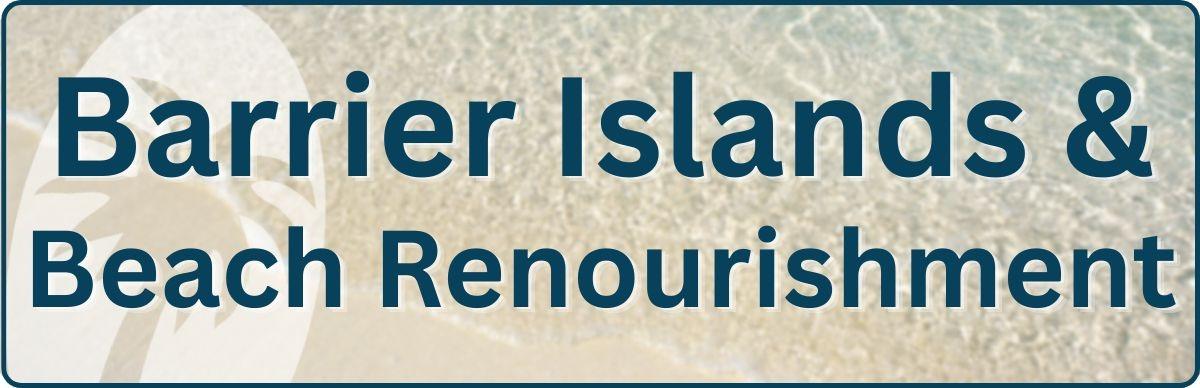
To help maintain the island's shoreline and strengthen its natural defenses, the City of Isle of Palms is conducting a major beach renourishment project in 2026. This project is part of the island’s long-term Comprehensive Beach Management Plan, which focuses on protecting the shoreline while preserving the natural function of this dynamic barrier island ecosystem.
The project will place up to 2.5 million cubic yards of compatible sand along approximately 19,200 linear feet of shoreline. Sand will be dredged from an offshore site located about two miles southeast of the Isle of Palms Pier and transported to shore through a submerged pipeline system. The project will rebuild both the beach berm and dune system, helping restore areas affected by long-term erosion.
Work is being completed in sections rather than closing the entire beach. Construction areas will move along the shoreline as crews pump, spread, and shape the new sand. Most beach access remains available, although visitors may encounter temporary fenced work zones, equipment, and pipeline crossings during active construction areas.
Beach renourishment is not about creating a permanent shoreline; it is about working with the natural processes of a barrier island. Sand placed during these projects provides additional material for waves and currents to redistribute over time. A healthy, wide beach and dune system provides several important benefits:
- Storm protection
- Wider beaches and stronger dunes absorb wave energy during hurricanes and severe weather events.
- Wildlife habitat
- Restored beaches provide nesting areas for loggerhead sea turtles and habitat for shorebirds and other coastal species.
- Erosion management
- Additional sand helps slow shoreline retreat and protects critical coastal infrastructure.
- Public access
- Maintaining a stable beach helps preserve one of Isle of Palms’ most important natural resources.
Because barrier islands are always changing, renourishment is only one part of a larger coastal management strategy. Protecting dunes, planting native vegetation, reducing impacts to nesting wildlife, and allowing natural coastal processes to continue are all important pieces of maintaining a resilient shoreline.
The 2026 beach renourishment project represents the ongoing relationship between people and the natural systems of a barrier island. Isle of Palms has always been a landscape shaped by wind, waves, and tides. While modern communities rely on projects like beach renourishment to help protect the shoreline, the island’s long-term health depends on respecting and working alongside the natural processes that created it. Every grain of sand tells part of the island’s story, and protecting that sand helps preserve the beaches, wildlife, and coastal beauty that make Isle of Palms unique.
While the 2026 beach renourishment project is underway, visitors can still enjoy the beautiful beaches of Isle of Palms. Construction crews will work in small sections along the shoreline, allowing access to large portions of the beach throughout the entire project. You may notice temporary equipment, sand fencing, pipeline, or sandbags in active construction areas. These areas are carefully marked for safety, and visitors should avoid climbing on, moving, or walking near these materials while work is taking place.
The beach will remain a wonderful place to relax, enjoy the ocean, and experience the natural beauty of Isle of Palms. By following posted signs and keeping a safe distance from active work zones, guests can continue making memories on the island while the shoreline is being restored for future generations.
-6BE8427F-A90B-41AA-B2F2C83DB35877AE.jpg)
 800.707.6421